Japan / Bizen Province · Okayama Domain · Ukita · Ikeda
Bizen Province, Part III — Okayama Castle and the Ikeda House
Urban construction under the Ukita, new lords after Sekigahara, and Ikeda education and reclamation: how Bizen became part of Okayama Prefecture.
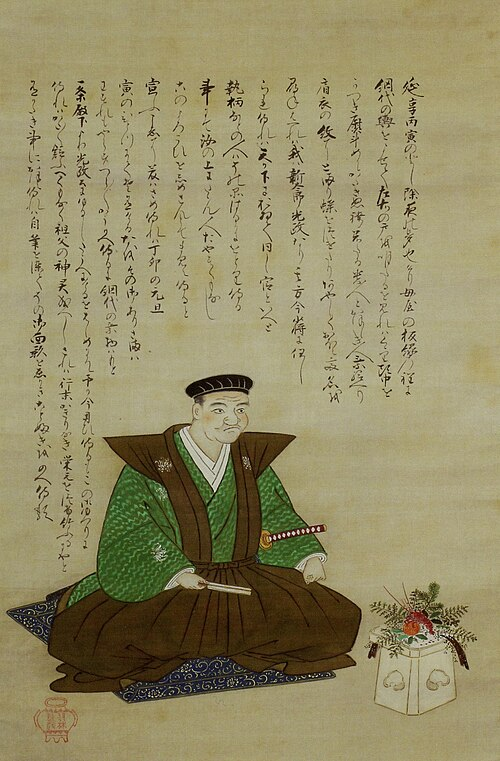
At the end of Part II, Ukita Naoie moved his base to Okayama. This was more than a change of castle. It was an attempt to concentrate the movement of Bizen’s people and goods into a new city.
Making the City of Okayama
Naoie settled retainers and merchants near his castle. His son Hideie, a major lord under Toyotomi Hideyoshi, enlarged the castle and built the town on a new scale.
Hideie altered the Asahi River and redirected the western highway through the castle town. Merchants were brought from Fukuoka, Saidaiji, Inbe, Katakami, and other communities to form commercial quarters. By bending roads and gathering people, Okayama became both a political city and a market.
Instead of simply following the river and inherited routes, power redesigned their flow. Early-modern Okayama began as a project to govern space itself.
Rupture After Sekigahara
Ukita Hideie fought for the western army at Sekigahara in 1600 and lost his domain. Kobayakawa Hideaki replaced him in Bizen and Mimasaka but died in 1602, leaving no heir.
In 1603, Bizen passed to Ikeda Tadatsugu, a son of Ikeda Terumasa. After Tadatsugu and Tadakatsu, Ikeda Mitsumasa arrived from Tottori in 1632. His descendants governed Okayama until the Meiji Restoration.
Lords changed, but the city and routes built by the Ukita remained. History did not return to blank paper with every succession. New regimes absorbed the rivers, roads, and settlements of their predecessors.
Benevolent Rule and Discipline
Mitsumasa placed Confucian learning at the foundation of government. Following the great flood of 1654, he reformed rural administration and strengthened authority under the domain lord.
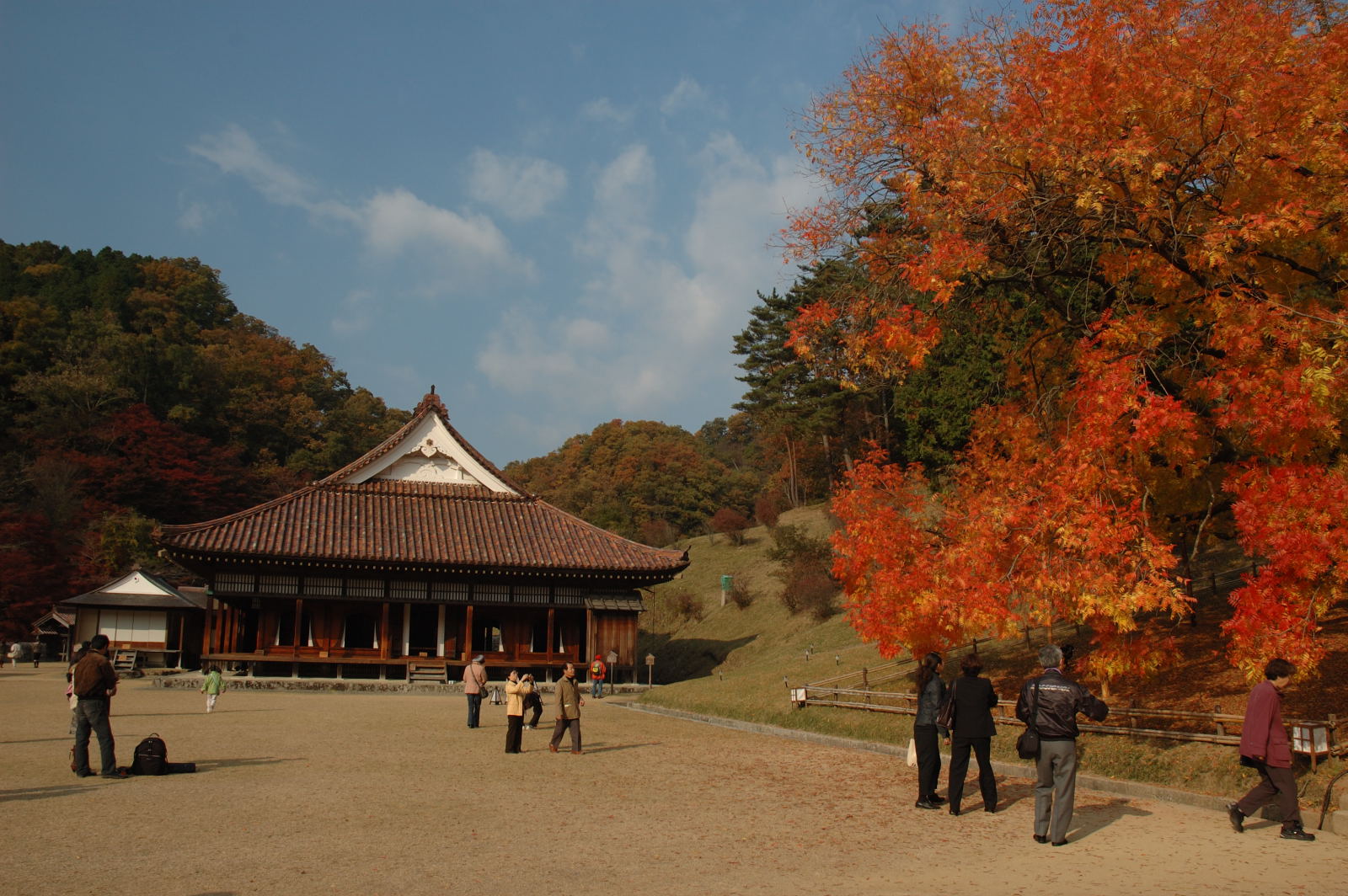
His politics combined concern for popular livelihood with forceful moral regulation. He established local places of instruction and a domain academy, and in 1670 ordered Tsuda Nagatada to build the Shizutani School. He also reorganized religious institutions and imposed distinctive religious policies.
Education was a public investment in human capacity, but also a means of producing the kind of subjects the domain wished to govern.

Turning Sea into Land
Reclamation transformed early-modern Bizen. At the mouths of the Asahi and Yoshii rivers and around Kojima Bay, embankments enclosed tidal flats, water was drained, and seabed became farmland.
Tsuda Nagatada directed major works including Kurata, Kōjima, and Okinitta. Reclamation increased rice production and domain revenue, but also changed fishing grounds and water flows, producing disputes over boundaries and compensation.
This was not the improvement of an unused sea. It placed the fiscal logic of agriculture over waters already used by fishing communities. Bizen’s prosperity came partly from reorganizing relationships between nature and livelihood on a vast scale.
A Country of Commodities
The province produced not only rice and barley but cotton, rapeseed, salt, paper, woven mats, and textiles. Sword and Bizen-ware production continued. Ports including Ushimado and Katakami, and riverboats on the Yoshii and Asahi, carried goods toward the Inland Sea and Osaka.
Okayama castle town became a center of consumption and administration linking villages, kilns, workshops, and ports. Bizen was not a closed agricultural society. It was deeply integrated into a commercial economy.
From Bizen Province to Okayama Prefecture
The abolition of domains in 1871 turned Okayama domain into Okayama Prefecture. In 1875 it absorbed Oda Prefecture, centered on former Bitchū, and in 1876 Hōjō Prefecture, centered on Mimasaka. The outline of present-day Okayama Prefecture emerged.
Bizen ceased to function as an administrative province, but the name survived—in Bizen City, Bizen ware, Bizen Osafune, and Bizen-Katakami.
What Was a Province?
Bizen’s borders were never natural or permanent. It emerged from the division of Kibi, shrank when Mimasaka was created, and experienced changing district boundaries. Shōdoshima once belonged to it; in modern times it was joined with Bitchū and Mimasaka inside Okayama Prefecture.
Yet for more than a millennium, Bizen gave people a framework for understanding their land. Provincial capital and highway, market and port, sword and pottery, castle town and reclaimed field: each era created a different center and connected the region again.
Bizen Province was not a fixed map. It was the name of changing relationships—goods moving by river and sea, rulers redirecting roads, and communities turning clay and iron into objects known throughout Japan.
Sources and Image Credits
- Okayama City, Ukita Naoie and Hideie
- Okayama City, the castles of Naoie and Hideie
- Okayama City, formation of the castle town
- Entries on Bizen Province in major Japanese encyclopedias, accessed through material supplied by the user.