Japan / Bizen City · Economy · Manufacturing · Regional Japan
The Economy of Bizen City――An Industrial City Built on Clay and Fire
Official statistics reveal an economy led by manufacturing, supported by commerce, transport, fisheries, craft, and tourism.
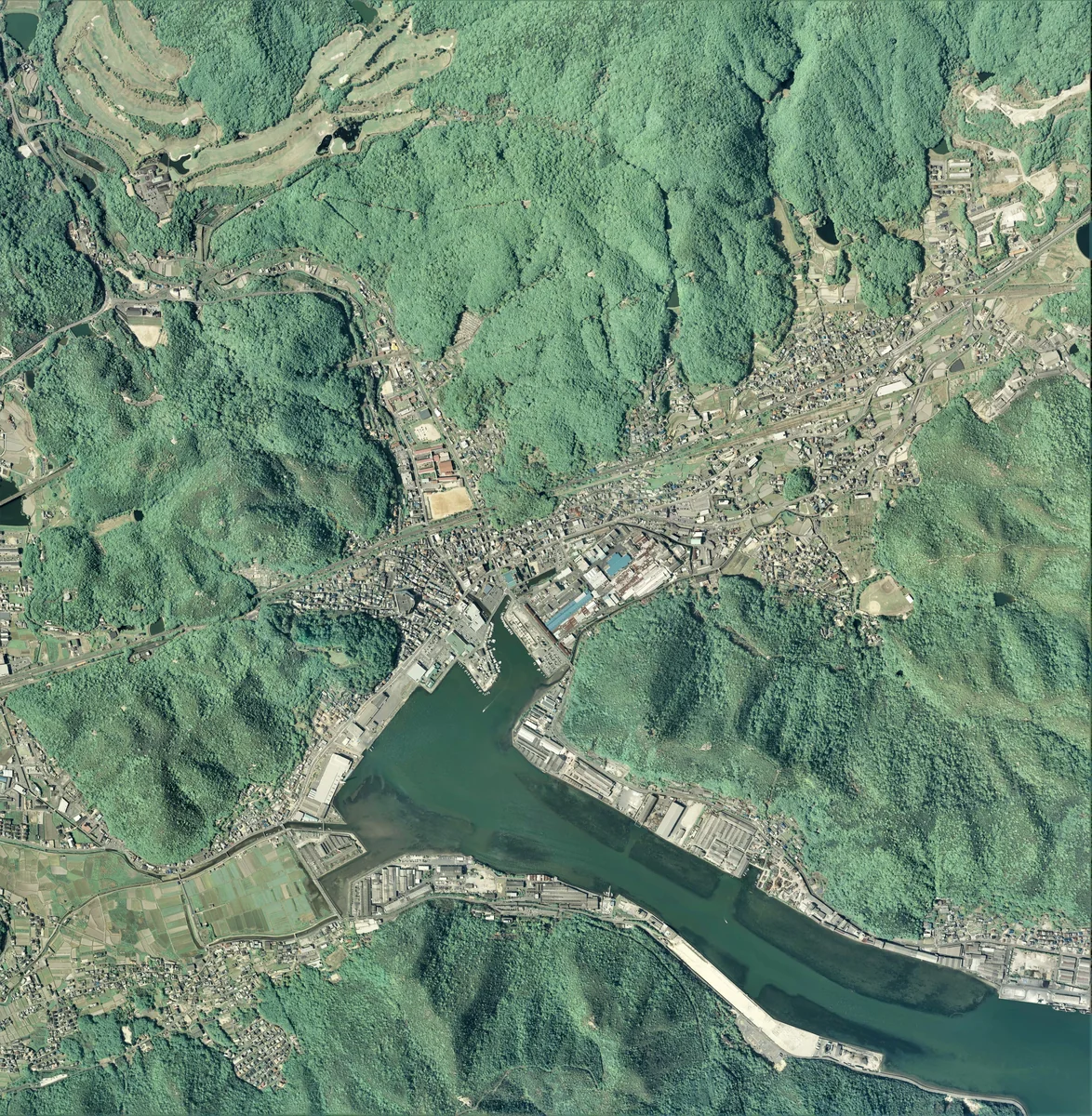
To many people, the name Bizen immediately suggests Bizen ware. The ceramic tradition centered on Inbe is both a defining part of the city’s culture and an important visitor attraction.
Official statistics, however, reveal another Bizen. The modern city is also an industrial center whose economy is anchored by manufacturing, particularly refractory products.
This article draws on statistics published by Bizen City, Okayama Prefecture, and the Japanese government. Because the surveys cover different populations and reference periods, each figure is presented with its own year rather than being treated as part of a single current snapshot.
Gross city product of ¥188.3 billion
According to Okayama Prefecture’s municipal economic accounts, Bizen’s nominal gross city product was ¥188.256 billion in fiscal 2023. This was an increase of 9.5 percent from ¥171.958 billion in the previous year and represented 2.3 percent of Okayama Prefecture’s total output.
Primary industry produced ¥1.776 billion, secondary industry ¥95.835 billion, and tertiary industry ¥89.319 billion. Secondary industry therefore accounted for roughly 51 percent of the city’s total output. Manufacturing and construction together occupy an unusually large place in the local economy.
The three sectors do not add up exactly to gross city product because the total also incorporates adjustments such as taxes and duties on imports and consumption tax connected with gross capital formation.
These municipal accounts are estimates. They do not simply add up production reported by every local establishment; prefectural output is allocated among municipalities using a range of statistical indicators. The figures are best read as an indication of broad scale and structure.
Nearly four in ten private-sector workers are in manufacturing
The June 2021 Economic Census counted 1,694 private establishments and 15,704 employees in Bizen. Compared with 2016, the number of establishments had fallen by 3.2 percent and employment by 3.5 percent.
Manufacturing accounted for 253 establishments and 5,992 employees—about 38.2 percent of all workers covered by the census. Wholesale and retail employed 2,323 people at 445 establishments; transport and postal services employed 2,121 at 135 establishments; and medical and welfare services employed 1,568 at 117 establishments.
Manufacturers represented only about 15 percent of establishments but nearly 38 percent of employment, showing the importance of relatively large plants to local jobs.
The 2020 Population Census offers a second perspective. Of 14,951 employed residents of Bizen, 4,198, or 28.1 percent, worked in manufacturing. The two surveys are not directly comparable: the Economic Census counts people working at establishments in the city, while the Population Census primarily classifies residents. Both nonetheless point to the same industrial concentration.
Ceramics, stone, and refractory products dominate industrial output
Japan’s 2023 Economic Structure Survey recorded 153 manufacturing establishments with at least four employees in Bizen. Together they employed 5,652 people and shipped products worth ¥235.876 billion.
The ceramics and stone-products category alone contained 77 establishments and 2,162 employees, with shipments of ¥125.559 billion—about 53 percent of the city’s manufacturing total. General-purpose machinery followed at ¥24.729 billion, chemicals at ¥22.446 billion, iron and steel at ¥12.004 billion, and fabricated metal products at ¥11.029 billion.
“Ceramics and stone products” is a broad statistical category. It includes not only pottery but also refractories, cement products, glass, and related materials. Its output cannot be interpreted as the value of Bizen ware. In quantitative terms, refractory bricks and other heat-resistant materials used in steelmaking and high-temperature industrial equipment are the core of Bizen’s manufacturing economy.
Bizen ware and refractories are very different industries, yet both work with earth and fire. Local materials and firing knowledge developed in two directions: traditional craft and modern industrial production.

Annual wholesale and retail sales of ¥53.4 billion
The 2021 Economic Census recorded 387 wholesale and retail establishments, 1,936 employees, and annual merchandise sales of ¥53.426 billion in Bizen.
Wholesale trade comprised 60 establishments, 447 employees, and sales of ¥28.315 billion. Retail comprised 327 establishments, 1,489 employees, and sales of ¥25.111 billion. Retail had far more establishments, but wholesale generated the larger sales total. Trade in construction materials, minerals, metals, and industrial machinery reflects the city’s manufacturing base.
Agriculture and fisheries cannot be measured by scale alone
Preliminary results from the 2025 Census of Agriculture and Forestry counted 223 agricultural and forestry management entities in Bizen, down from 311 in 2020.
For fisheries, Japan’s Sea Fishery Production Statistics stopped publishing municipality-level totals after 2018. A consistent current time series for Bizen alone is therefore no longer available.
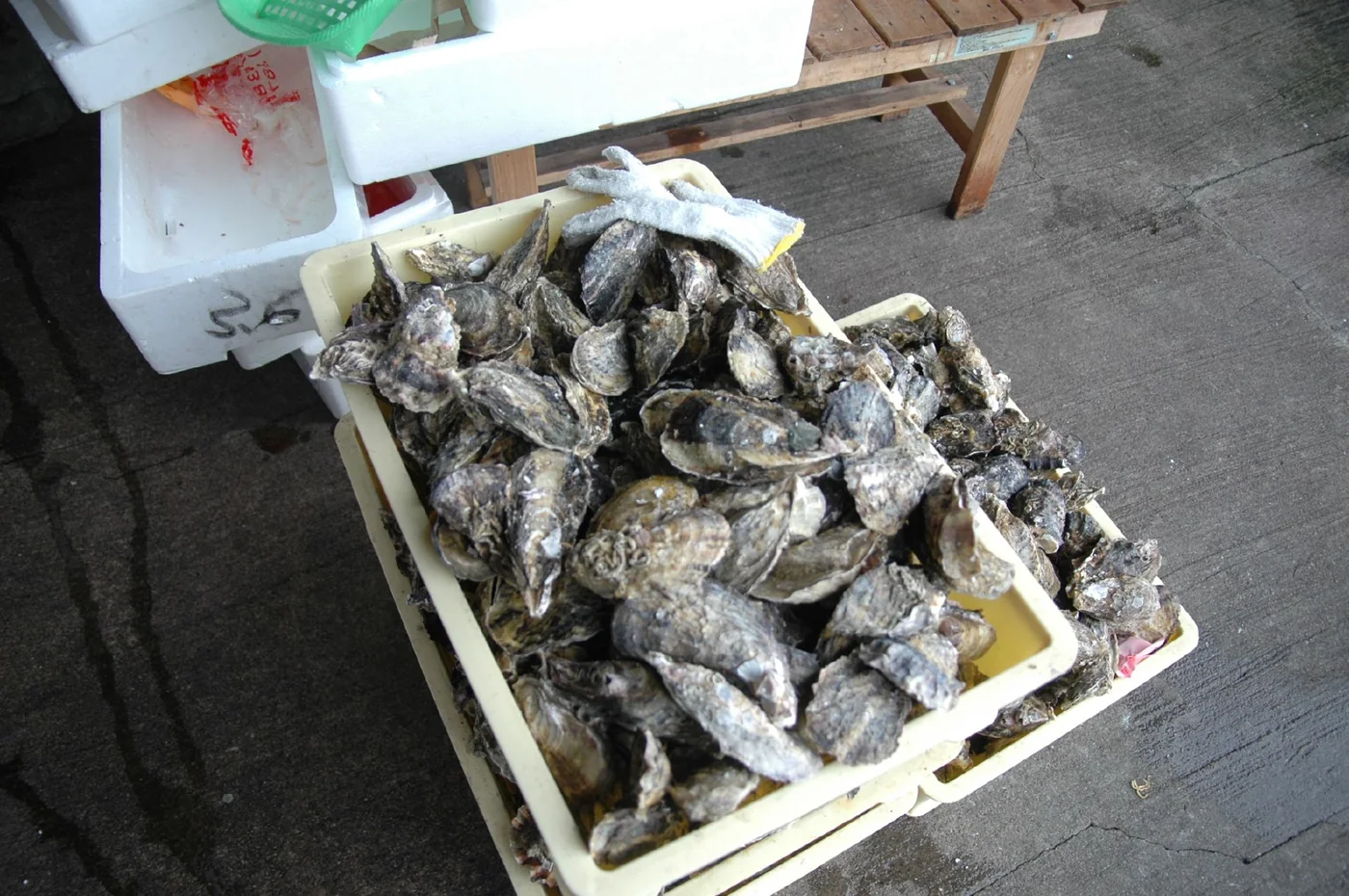
These sectors are much smaller than manufacturing in the accounts, but their local reach extends beyond direct output. Fisheries and oyster cultivation in Hinase support markets, restaurants, tourism, and a recognizable regional food culture. Their value cannot be reduced to production totals alone.
Tourism connects cultural assets with local industry
Bizen ware, the Former Shizutani School, the Hinase Islands, and Hattoji Furusato Village give different parts of the city distinct visitor economies.
Pottery links kilns with shops, food, and accommodation. Hinase seafood flows into markets, restaurants, and local dishes such as kakioko. Rather than relying on one large attraction, Bizen combines craft, history, landscape, and food.
Bizen City publishes both admissions to individual facilities and estimates of visitors to broader destinations. The methodologies differ, and some totals include open areas or free attractions. Figures from the two tables should not be added together as a single citywide visitor count.
Signs of weakness in the labor market
Within the area covered by the Bizen branch of the Wake Public Employment Security Office, the active job-openings-to-applicants ratio was 0.81 in fiscal 2024. It had fallen from 1.13 in fiscal 2022 and 1.00 in fiscal 2023. The office recorded 1,024 new job-seeker applications and 344 placements during the year.
This jurisdiction excludes the Yoshinaga and Mitsuishi districts, so the figures do not describe the whole city.
Municipal income of ¥87.1 billion
Bizen’s municipal income was estimated at ¥87.061 billion in fiscal 2023, up 14.6 percent from the previous year. It consisted of ¥56.139 billion in compensation of employees, ¥4.728 billion in property income, and ¥26.195 billion in enterprise income.
Municipal income per resident was ¥2.879 million, an increase of 17.1 percent. This is not the average salary or disposable income of a resident. It is an economic accounting measure that divides total municipal income—including corporate profits and property income—by population.
Connecting industrial strength to demographic decline
Three features stand out in the official data.
First, manufacturing—especially ceramics, stone, and refractory products—has exceptional weight. Second, transport, trade, health and welfare provide substantial employment, while pottery, fisheries, food, and historic sites create a wider visitor economy and regional identity. Third, the numbers of establishments, employees, and agricultural management entities show longer-term contraction.
Bizen is not simply “the city of Bizen ware,” nor is it merely an industrial city. Traditional craft, refractory manufacturing, the waters of Hinase, commerce, and tourism overlap across its different districts. That layered structure is the defining character of Bizen’s economy.
Statistical Sources and Image Credits
- Bizen City, Bizen City Statistics, FY2025 edition
- Bizen City, Industry: Fisheries, Establishments, Manufacturing, Commerce, Tourism, and Employment
- Bizen City, Industry: Agriculture and Forestry
- Okayama Prefecture, FY2023 Municipal Economic Accounts
- Statistics Bureau of Japan and Ministry of Economy, Trade and Industry, 2021 Economic Census for Business Activity
- Lead image: aerial photograph of Katakami, Bizen City. Geospatial Information Authority of Japan. Created from National Land Image Information (Color Aerial Photographs), Ministry of Land, Infrastructure, Transport and Tourism.

Figures expressed in yen were converted from the units used in the source tables. Calculated percentages have been rounded. The article uses the municipal economic-account figures corrected and republished by Okayama Prefecture in August 2026.