Arts / Bizen Osafune · Japanese Swords · Craft · Fire
Bizen Osafune: Steel and Fire
In the old sword-making center of Osafune, steel, fire, knowledge, and human concentration still meet.
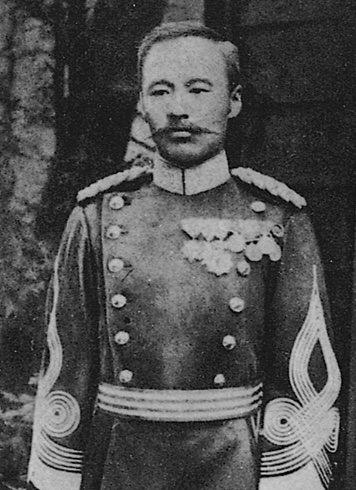
“When Gon’emon prepared for the raid, he put on a crested robe of black habutae silk and took out the treasured Bizen Osafune sword he had long kept in reserve, fastening it at his waist. Then he went out carrying a jumonji spear.”
This is a passage from “The Abe Family,” by Mori Ōgai, one of Japan’s foremost modern writers.
.jpg)
To encounter the land of Okayama is to understand the historical weight carried by the name Bizen. In the medieval period, what is now Okayama Prefecture was divided principally among the provinces of Bizen, Bitchū, and Mimasaka. The southeastern part of the prefecture—including present-day Okayama City, Bizen City, and Osafune in Setouchi City—belonged to Bizen Province.
The name Bizen Osafune therefore bears the name of a specific place: Osafune in Bizen Province. As Ōgai’s use of the word “treasured” suggests, swords made there enjoyed a distinguished reputation. Many Osafune swordsmiths inscribed their place of residence on the tang of a blade as “resident of Osafune, Bizen Province.”
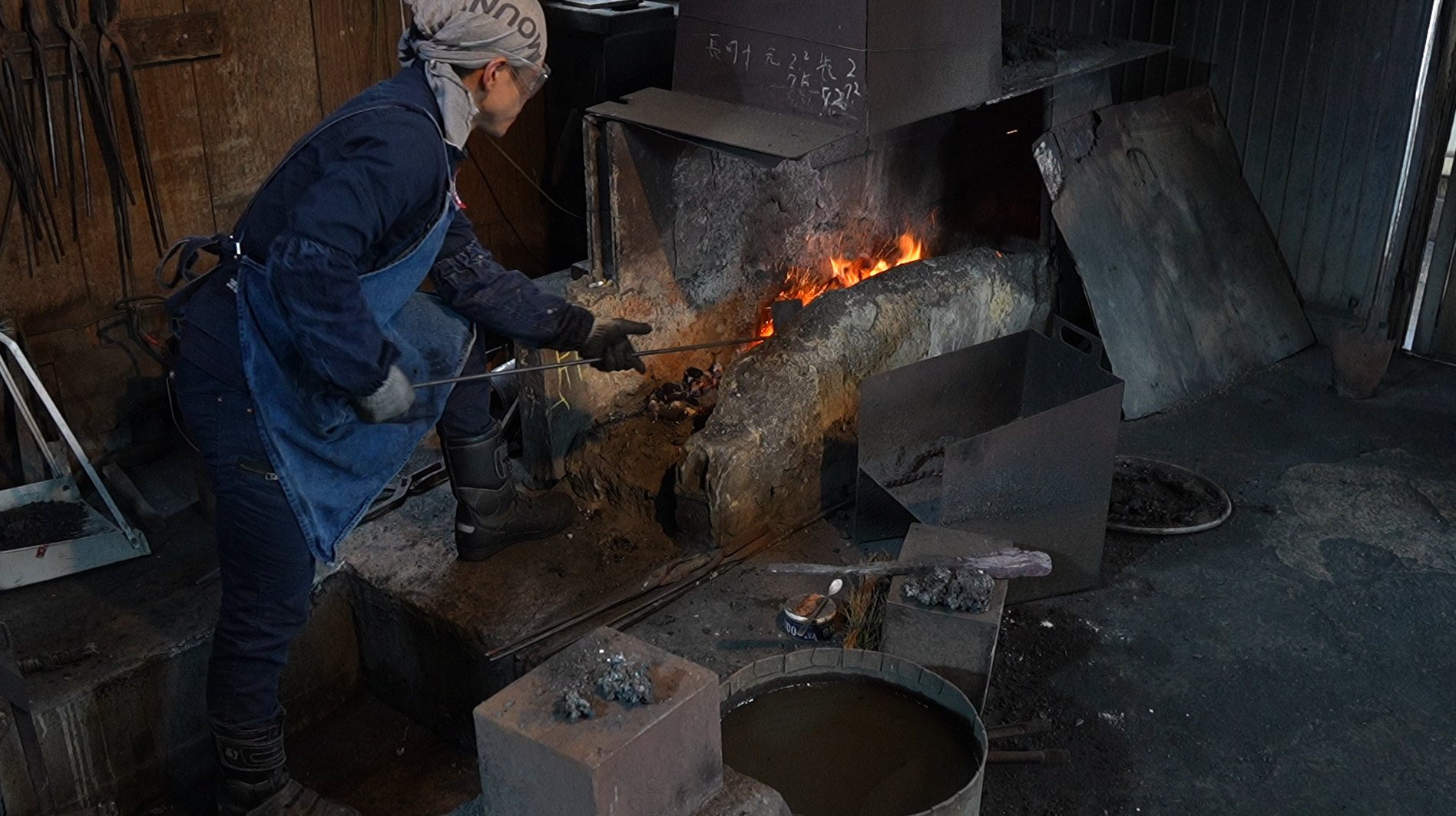
The lineage of the Osafune school came to an end in the early Shōwa period. Local efforts later revived sword-making in the area, and today swordsmiths in Osafune continue to make Japanese swords using traditional techniques.
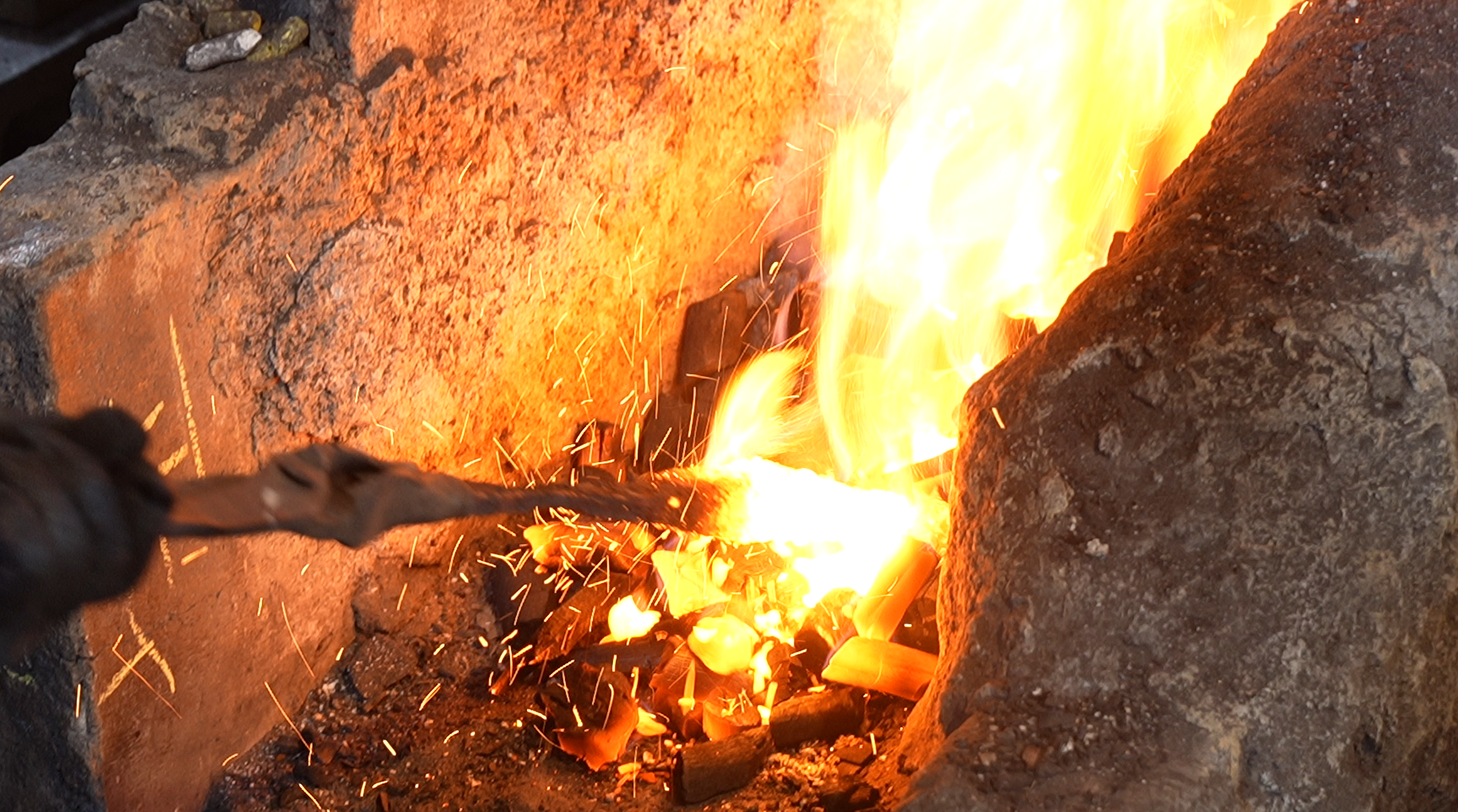
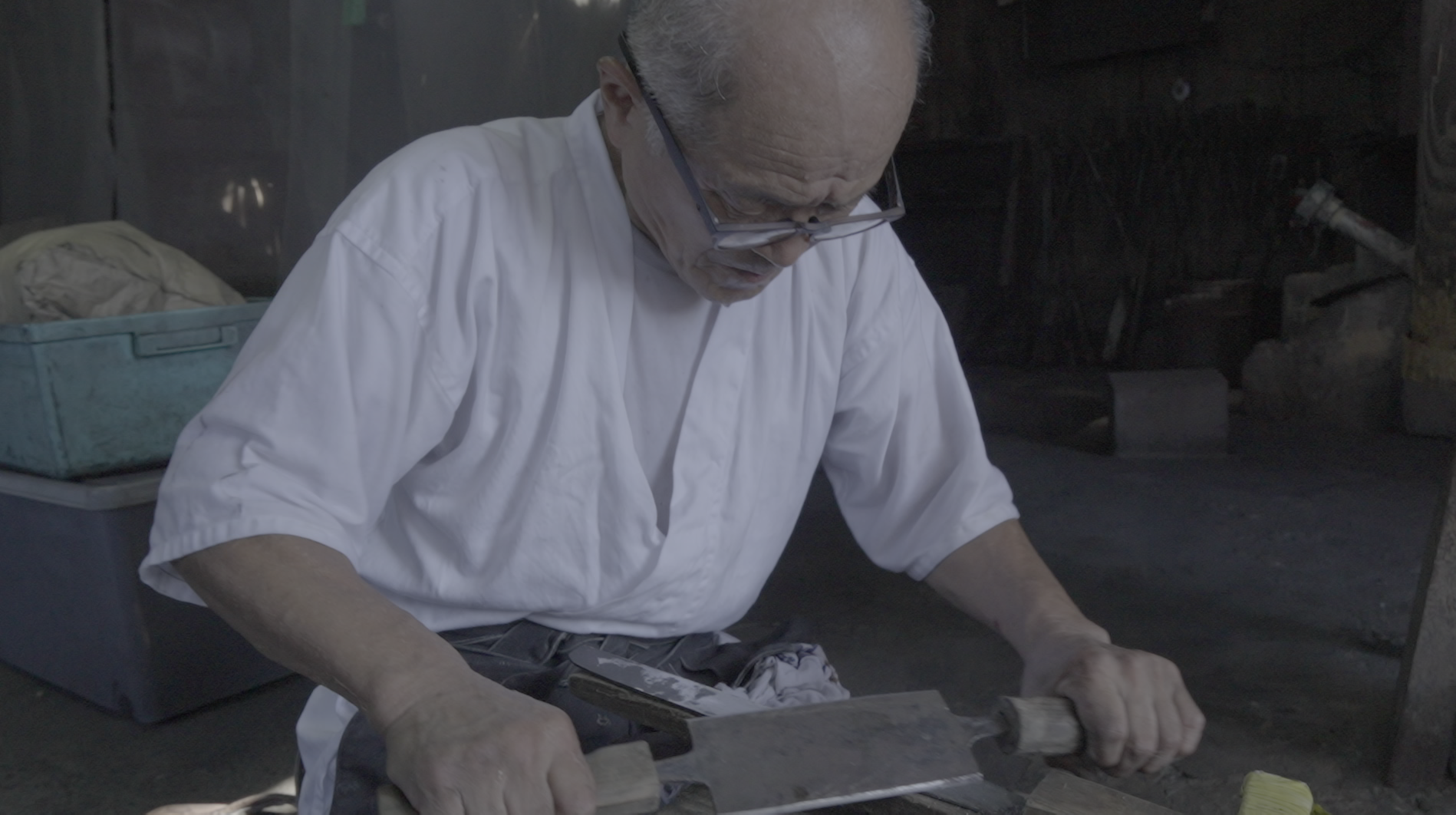
I have witnessed this process myself. A swordsmith works with extraordinary concentration, drawing steel from the fire and shaping it under heat.
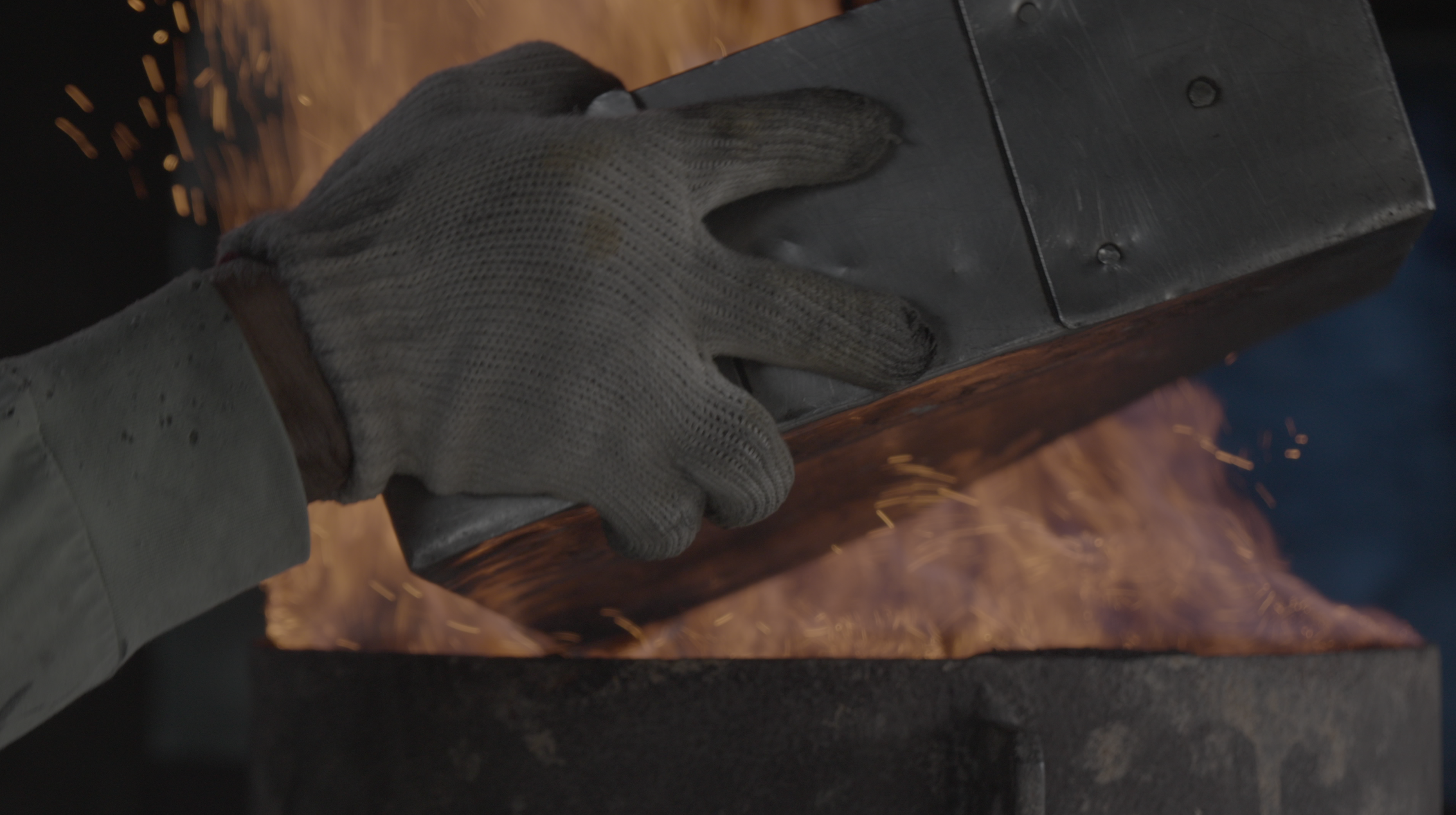
I also learned that this craft is not sustained by intuition alone. It demands a precise reading of temperature and of changes in the carbon content of the steel. In that sense, the traditional method is deeply scientific.
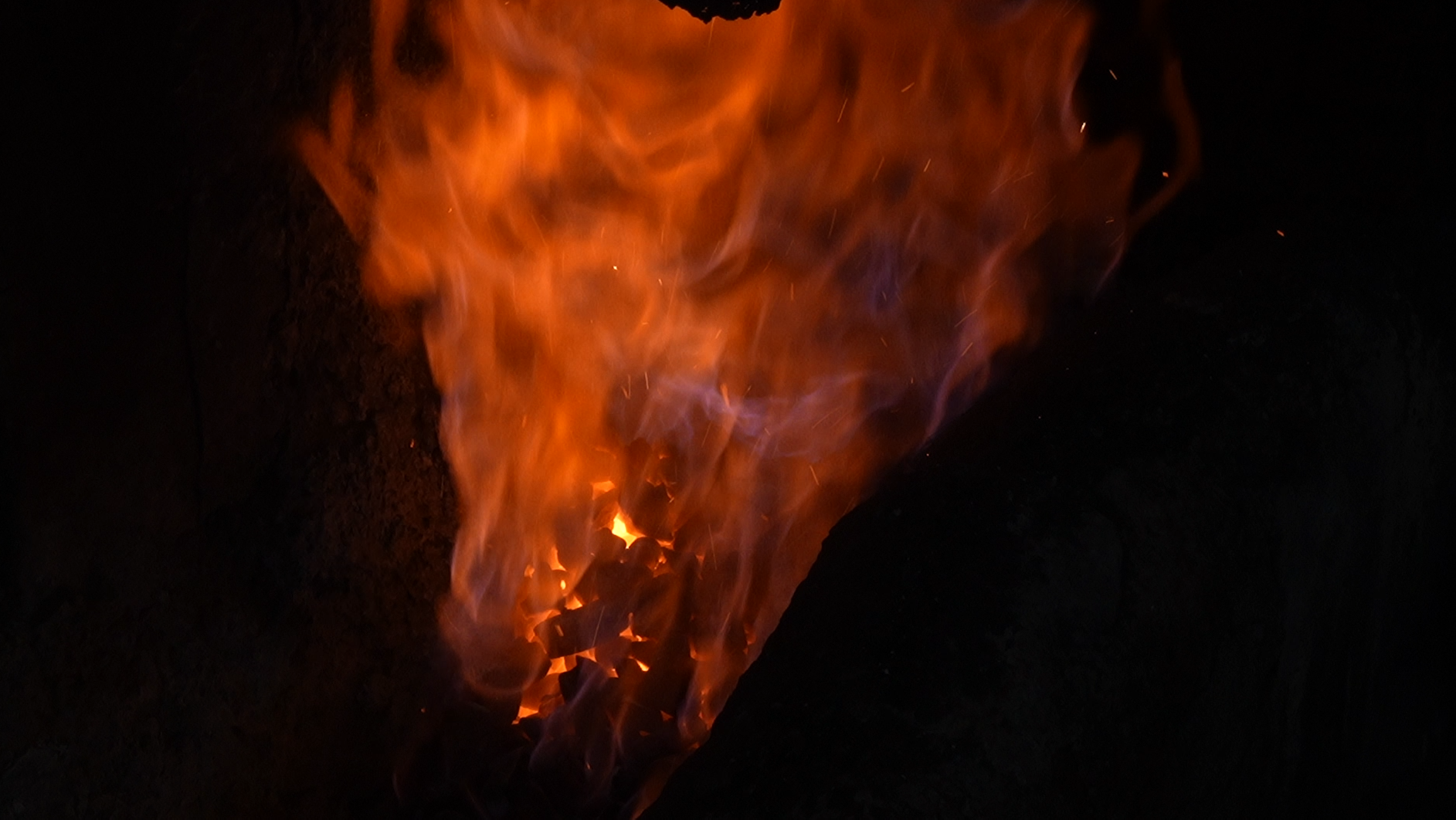
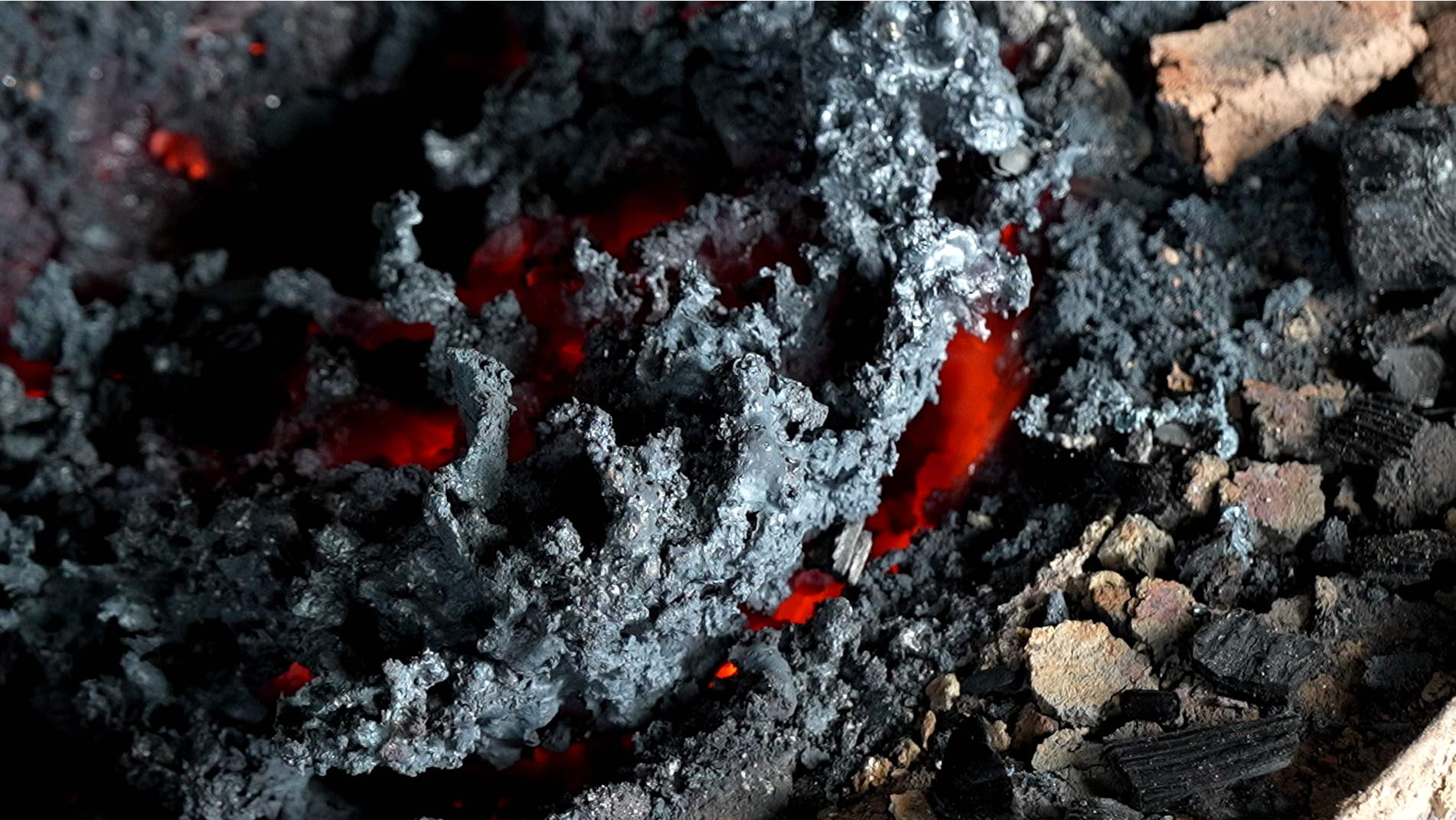
A Japanese sword is not made by melting steel and pouring it into a mold. In the general method, pieces of tamahagane steel are heated, forge-welded, and repeatedly folded and hammered. This process helps regulate carbon content and remove impurities, gradually producing a strong and resilient material. Through accumulated experience, earlier craftspeople established a method that remains scientifically sophisticated even when viewed from the present.
Forging is only one part of the making of a Japanese sword. Once the blade has been formed and hardened, a specialist polisher works by hand to bring out its surface, edge, and temper pattern.
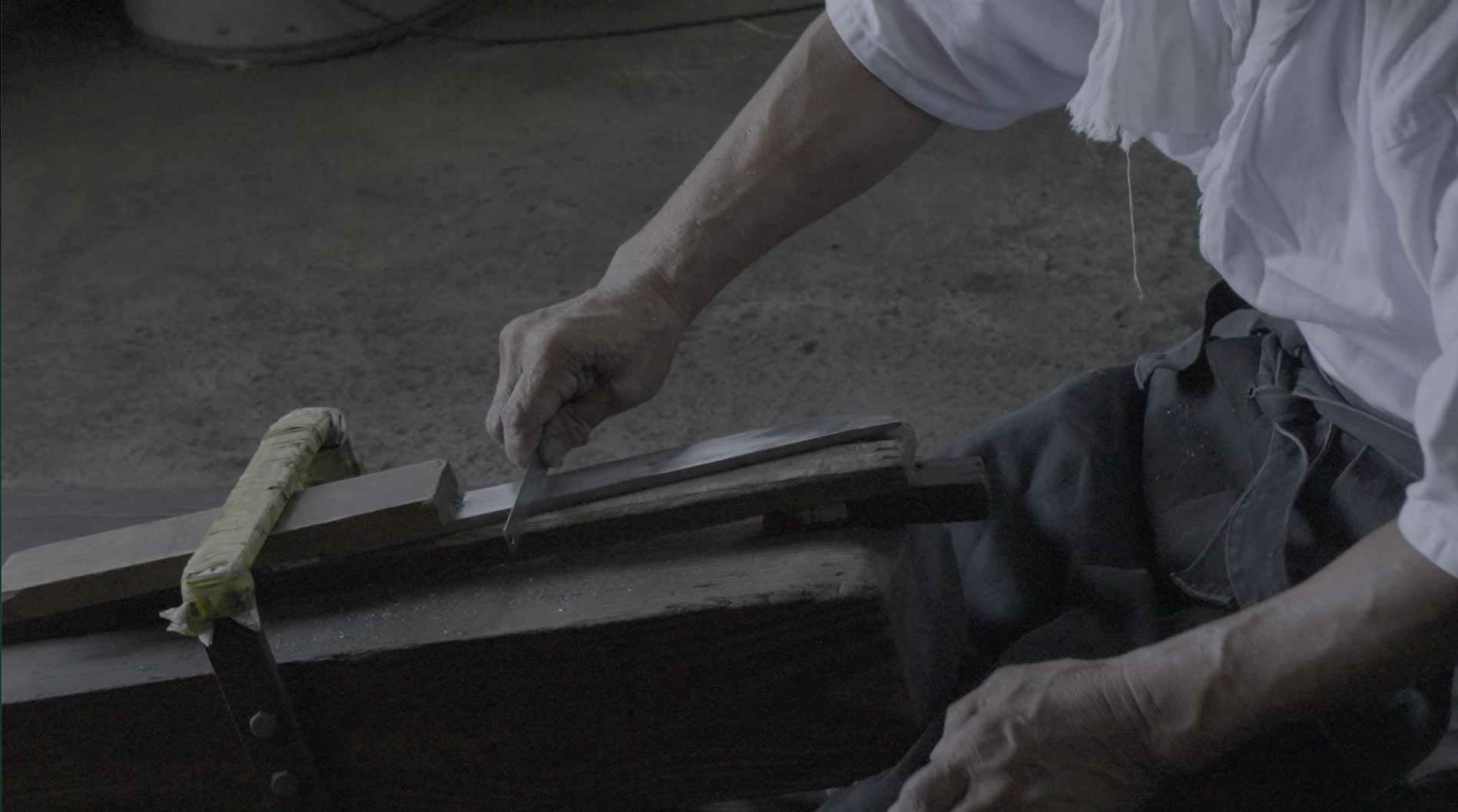
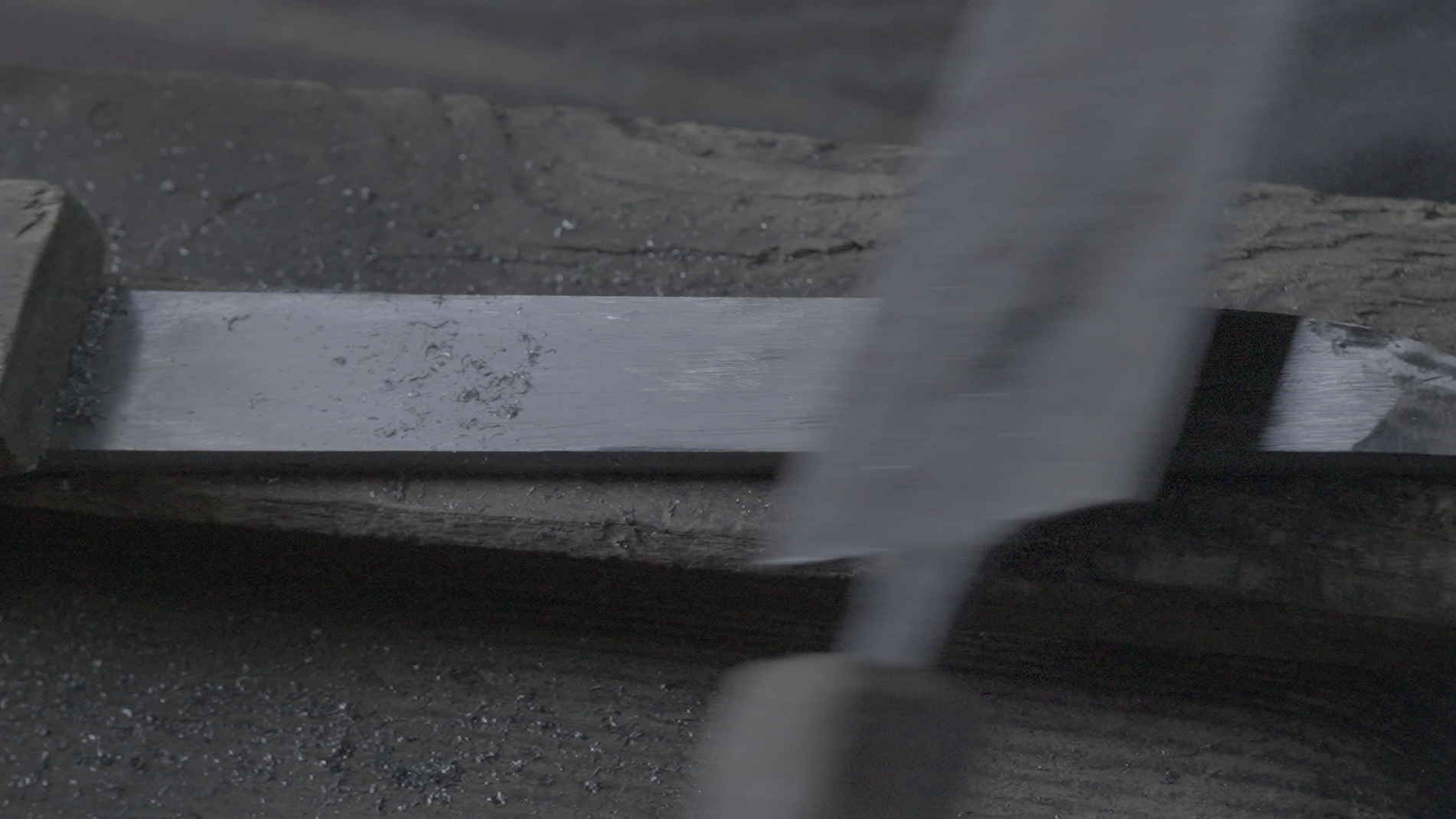
There is something here that recalls Bizen ware. Both crafts use fire and transform their materials at high temperatures.
Bizen ware works with clay and fire; Bizen Osafune works with iron and fire.
The land of Bizen possesses a rich tradition of making. Anyone visiting Bizen City should also make the short journey to Osafune in neighboring Setouchi City.