Arts / Bizen ware · Ceramics · Craft · Wabi-sabi
Why Bizen Ware Makes an Ideal Cup
A reflection on the philosophy of Bizen ware—shaped by clay, wood, fire, and the strict constraints of its tradition.
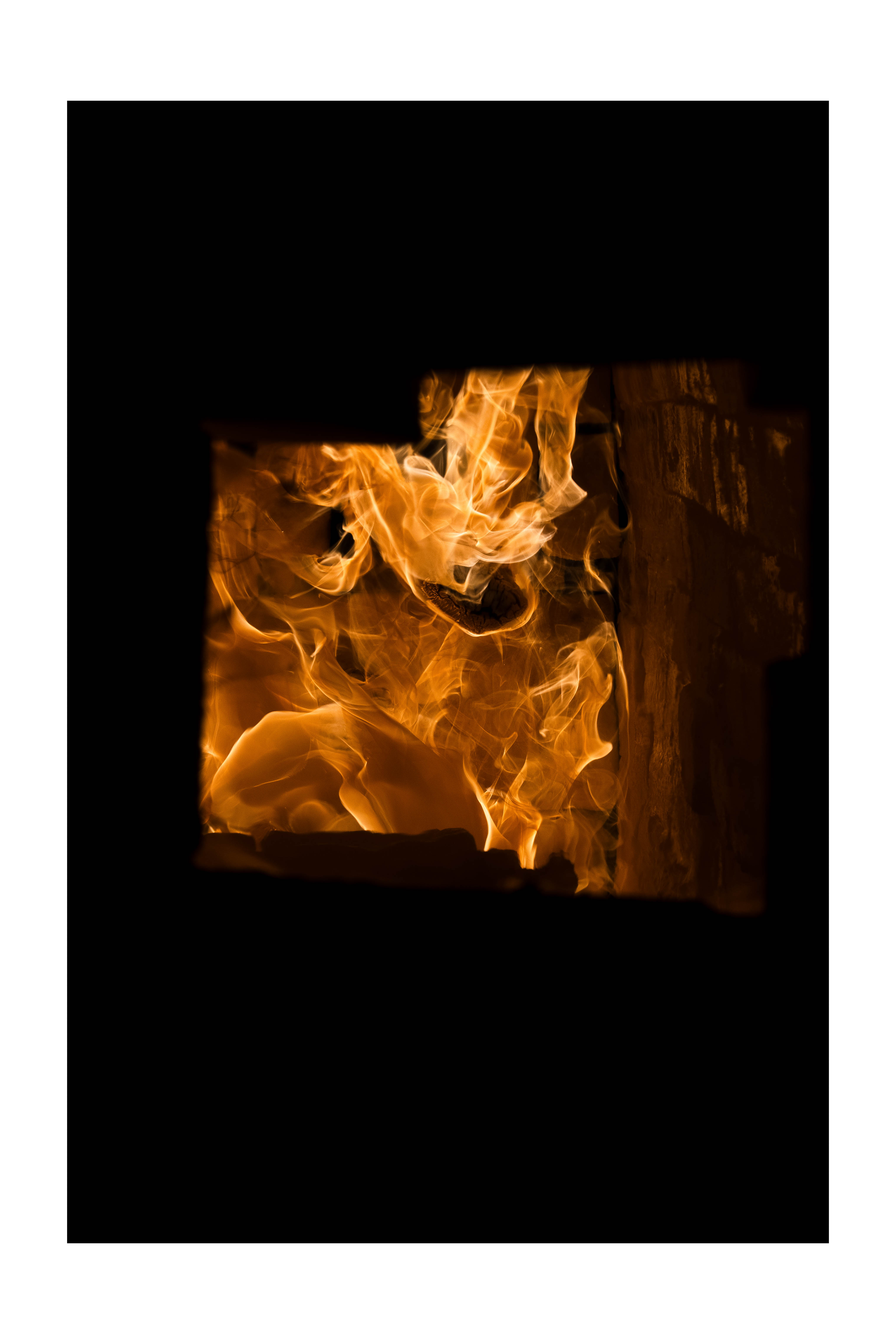
Bizen ware is one of Japan’s oldest ceramic traditions. I also believe that, even today, it offers one of the most ideal choices for a drinking cup.
I am neither a devoted fan of Bizen ware nor an enthusiast of ceramics in general. However, I am extremely careful about what I put into my body. I make an effort to avoid sugar and additives altogether in my daily life. Perhaps I could be described as somewhat extreme.
The reason I consider Bizen ware ideal for cups lies in the philosophy embodied in the way it is made.
To begin with, certain requirements concerning materials and production methods must be met for pottery to be called Bizen ware. Among those most often mentioned by potters are the absence of artificial glaze and the use of clay from Bizen.
Glaze is a thin, glass-like coating that covers the surface of ceramics. It is generally valued for the decorative beauty it gives a vessel. It also serves practical purposes, such as reducing water absorption and making the surface less prone to staining.
Glazed tableware tends to be colorful and eye-catching. It is therefore more likely to become popular, which may translate directly into stronger sales. Bizen ware, however, does not normally use artificial glaze.
As a result, Bizen ware may appear plain at first glance. Yet it is precisely this simplicity that allows it to carry the Japanese aesthetic of wabi-sabi into the present day.
Strictly speaking, burning firewood in a kiln produces ash. When that ash settles on the vessels, it can form a glass-like coating on their surfaces. This is known as “natural ash glaze.” A detailed explanation would make the discussion rather complicated, so I would like to explore natural ash glaze in a separate article.
Bizen ware is fired at high temperatures for ten days, and sometimes for as long as two weeks. The kilns are fueled with firewood derived from nature.
The clay is another important element. Although Bizen ware is made without artificial glaze, it has long been known for producing durable vessels. This durability is rooted in both the characteristics of Bizen clay and the lengthy firing process.
Bizen clay is used to make Bizen ware. This, too, is one of the important conditions that have shaped the tradition.
The philosophy of Bizen ware lies in these strict constraints on its materials and production methods. Precisely because these constraints exist, potters must pursue quality in both materials and process while drawing upon the natural forces of clay, wood, and fire.
In other words, through carefully selected materials and a lengthy production process, Bizen ware creates vessels that evoke a sense of harmony with nature.
That is why I find both reassurance and appeal in cups made from Bizen ware.
A cup is something we bring to our lips almost every day. If so, surely it is best to choose one whose materials and method of production we can trust—and that we will want to use for many years.