Japan / Community · Food · Daily Life · Documentary
A Three-Day Restaurant, a Wider Circle of Life in Bizen
Delivering meals, making rice balls, and listening to people's stories. A documentary follows a woman who returns to her hometown and the relationships that extend beyond her restaurant.
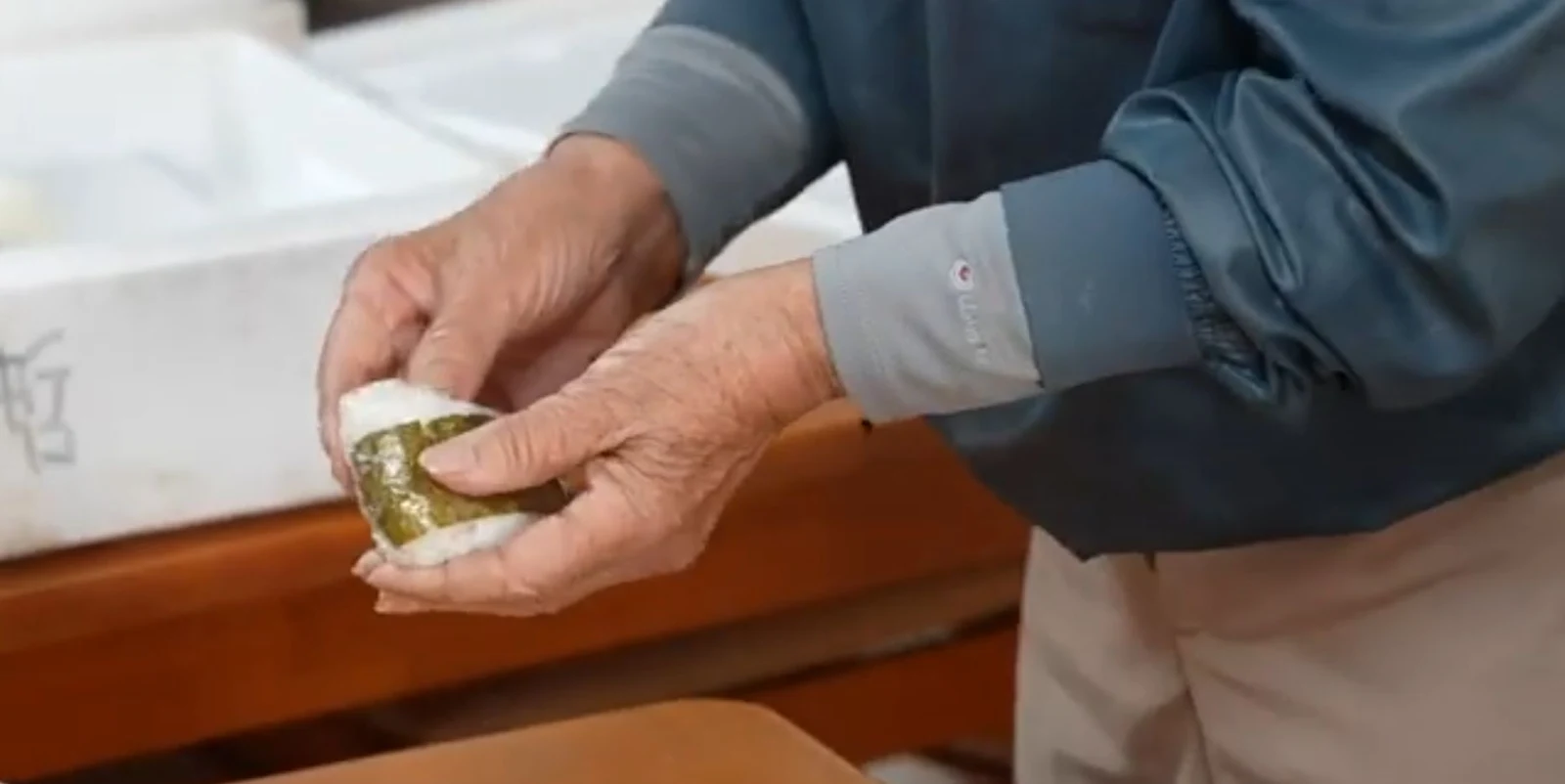
Does a restaurant’s work end when a meal is served? In this film about everyday life in Bizen, the time spent inside the restaurant cannot easily be separated from what happens beyond its doors. Delivering a lunch becomes an opportunity to listen to someone’s life story. Making rice balls connects a group of cooks with high school students cleaning a river. Gathering at the restaurant creates space not only for eating, but also for conversation and learning.
This article summarizes kakuyu’s documentary Starting Over in Rural Japan: A Woman’s 3-Day Restaurant & Local Life, focusing on its portrayal of community relationships. According to the film’s description, its central subject has returned to her hometown and combines running a restaurant three days a week with local activities. The three days refer to the restaurant’s opening schedule, not to the duration of filming.
Somewhere to Eat—and Somewhere to Be Together
The restaurant shown in the film is more than a place to order a meal. People also gather there to talk over tea and to learn English. Near the end, a participant recalls how the English group moved to the restaurant when public community halls became unavailable during the pandemic, and continued meeting there afterward.
These scenes suggest that the restaurant makes room for people in a broader sense. They do not come only to complete a specific errand; they can also come because there is someone to talk to. Through repeated encounters, the space acquires a purpose that the category of a food business alone cannot fully describe.
The woman running it speaks of wanting a place where people can gather and exchange ideas. Yet she also talks about the difficulty of keeping the restaurant going. The film does not fit a simple success story in which working for the community makes everything fall into place. Maintaining a welcoming place involves everyday effort and uncertainty.
Delivering a Meal, Receiving a Memory
In the meal-delivery sequence beginning around the thirtieth minute, handing over a lunch leads to an extended conversation. The woman receiving it talks about what gives her daily life purpose and about writing letters to people who have experienced disasters. The conversation eventually turns to her childhood memories of war and life in its aftermath.
More than food is being exchanged. Having a visitor, and having time to be heard, allows one person’s memories to reach someone else. The lunch that left the restaurant has also become a reason for a meeting.
The remarks about war and disasters should be understood as the participant’s personal recollections. This article has not independently established the dates and places of the individual events she describes. Nevertheless, the scene itself—someone making room for another person’s past—conveys the depth that ordinary local relationships can acquire.
Rice Balls Connecting Generations
Around minute 47, the film turns to a group preparing rice balls for high school students taking part in a river cleanup. Later sequences show the outdoor activity and the food being handed out.
Some people clean; others prepare something to eat. They do not have to perform the same task to take part in a shared activity. The rice balls become a tangible point of contact between those different roles.
Instead of explaining community through abstract language, the film shows hands shaping rice, hands wrapping it, and people receiving it. Community appears not as a finished system, but as something made and remade through small, practical contributions.
The Work Behind a Local Celebration
Later, people prepare a display of hina dolls for the seasonal doll festival. They arrange cloth, call to one another, and exchange jokes while working. The camera records the time and labor that a completed display can conceal.
Conversations also touch on the age of the people involved and the question of passing activities on to others. Keeping a tradition alive means more than preserving its outward form. It requires people willing to do the work, and relationships that allow them to take part without being pushed beyond their limits. The film lets that difficulty remain present in the conversation.
Back at the restaurant, its operator explains that she does not simply regard other eateries as competitors, and directs a visitor to another establishment. Rather than keeping everyone within her own business, she is comfortable with people going where they want to go. This, too, expresses a way of relating to others that runs through the documentary.
A Life That Opening Days Cannot Measure
At the time of filming, she also discusses plans for an evening meal gathering open to adults as well as children. It is a proposal mentioned in the film, not a service this article can confirm is currently operating.
Look only at a three-day opening schedule, and the remaining days might seem empty. But the film shows work continuing beyond those hours: delivering, preparing, learning, and listening.
What this documentary records is not a story of one woman saving a community. It is a life in which a restaurant operator, visitors, meal recipients, volunteer cooks, and students cleaning a river participate in different ways. The restaurant is one meeting point, but it does not claim every relationship for itself. Connections begun through food continue beyond its doors. That widening circle gives the film its quiet force.
Watch the Original Film
Source and image credit: This article is a summary and interpretation based on kakuyu’s film and its accompanying description. References to opening arrangements and activities describe the time of filming, not current visitor information. The opening photograph is a screenshot taken during minute 47 of the film and cropped and resized for publication. It is reproduced with the rights holder’s permission; that permission does not grant unrestricted reuse by third parties.