Japan / Bizen City · Shrines · Shizutani School · Ikeda Mitsumasa
Shizutani Shrine――Where Education Confronts the Memory of Power
The shrine to Ikeda Mitsumasa at the Former Shizutani School invites reflection on learning, authority, and inheritance.
A school is a place intended to make human beings free. Yet it is also an institution that decides what ought to be learned. If we erase this tension, we fail to see education itself.
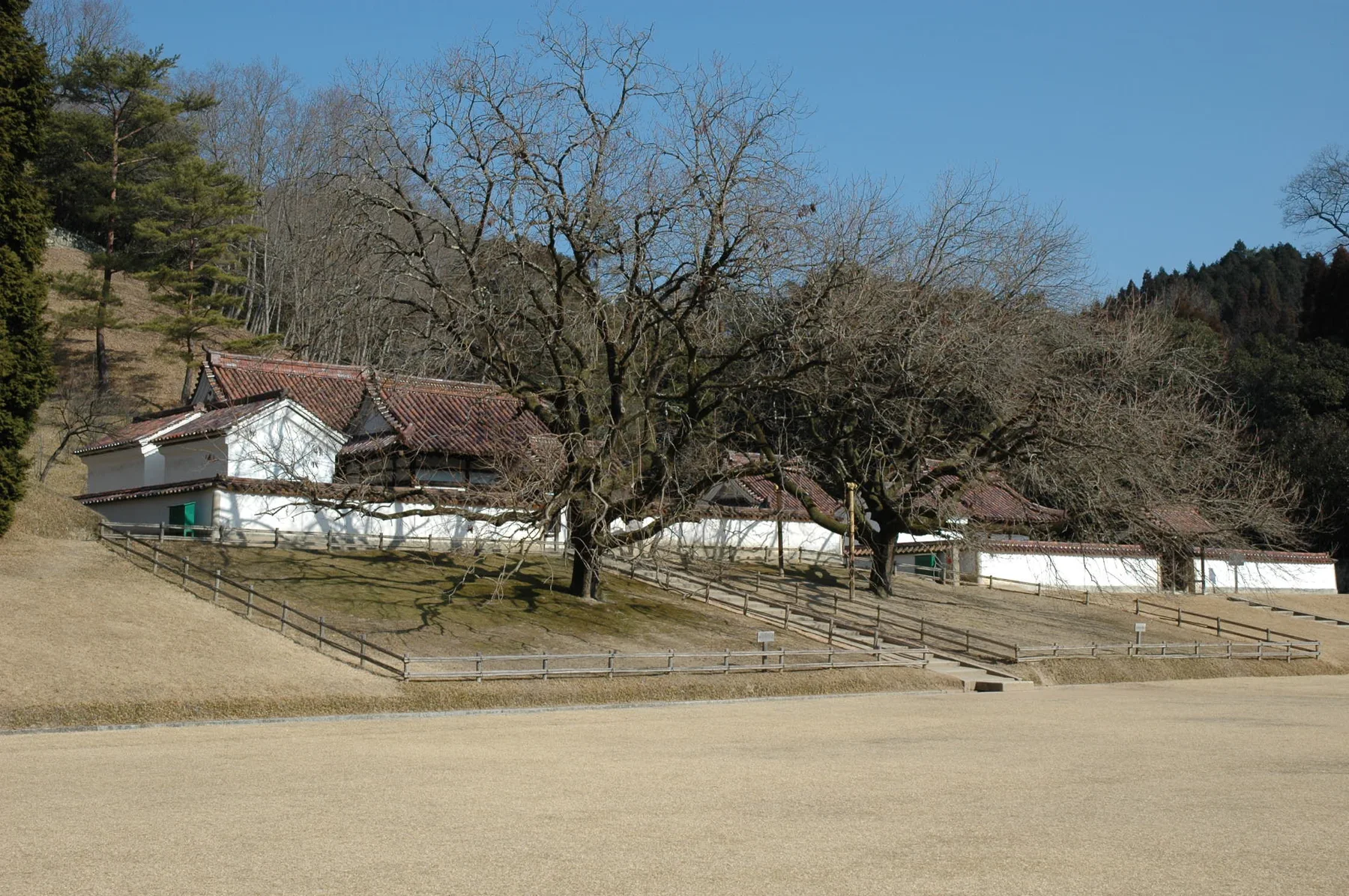
Shizutani Shrine, within the Former Shizutani School in Bizen City, gives that tension architectural form. It enshrines Ikeda Mitsumasa, the lord of Okayama Domain who founded the school. Formerly called Hōretsushi, it contains a gilded bronze seated image of Mitsumasa as its sacred object.
One level below the Confucian shrine
Bizen City explains that Shizutani Shrine stands above thirteen stone steps. Out of respect for the Confucian shrine dedicated to Confucius, it was set one level lower and built with deliberate restraint. The Ikeda family’s swallowtail-butterfly crest appears on its round eave tiles.
The arrangement is eloquent. The political power that founded the school is remembered and enshrined, but it is not placed above the figure regarded as the source of its learning. Authority creates an institution of education while positioning itself beneath education’s principle. The hierarchy is both a memorial to a ruler and a limit imposed upon him.
At Shizutani, location itself speaks philosophy. Before a sentence is written, the number and height of steps define a relationship.
What does it mean to enshrine a founder?
To enshrine Ikeda Mitsumasa need not be an unconditional celebration of one man. It is an institution making its own origin visible.
We rarely consider the origin of the education we receive. Classrooms, subjects, and rules appear almost natural. Yet every institution begins in someone’s judgment and survives through resources, authority, and labor. Shizutani Shrine does not conceal the political will behind a place of learning.
For that reason, the visitor must judge. Do we merely venerate the inherited institution? Or do we read its possibilities and limits, assuming it anew in our own time? Inheritance is not submission. It is a responsibility to answer the past.
Bizen tiles and the will to continue
Large numbers of Bizen ceramic roof tiles cover the principal buildings of the Former Shizutani School. Shizutani Shrine, too, belongs to the materials and techniques of its region. Learning may be an abstract ideal, but roofs, stone walls, drainage, and repairs are what preserve it.
Ideas do not reach later generations without matter. To preserve an ideal, people must carry away rain, resist fire, and mend damage. What looks like an enduring tradition is actually made of innumerable acts of maintenance in the present.
Before the gaze of the past
Shizutani Shrine differs from the ordinary tutelary shrine of a town. Within a school, it incorporates the memory of the founder into an order of learning.
Standing there, we find ourselves between two gazes. One is the present looking back and evaluating the past. The other comes from a past that imagined future learning and now looks toward us.
Freedom does not mean possessing no inheritance. It means refusing to abandon judgment in the face of what has been given. Set one level below the Confucian shrine, Shizutani Shrine quietly shows that authority and learning, memorial and criticism, can occupy the same place.
Sources and Image Credit
- Bizen City, e-Bizen Museum: People Connected with Shizutani School 7
- Okayama Prefecture: Former Shizutani School
- Lead image: the Confucian shrine and Shizutani Shrine. Photograph by Reggaeman, Wikimedia Commons, CC BY-SA 3.0. Original cropped and resized.
