Japan / Bizen City · Okayama · Bizen ware · Emperor Horikawa
Bizen City: Mountains, Sea, Islands, and an Emperor's Legacy
From the pottery town of Imbe and the fishing port of Hinase to a centuries-old story of imperial land reclamation in Kagato.
Bizen City lies near the southeastern edge of Okayama Prefecture, bordering Hyogo Prefecture to the east. The name “Bizen” originally referred to one of Japan’s historical provinces.
The city is known for Bizen ware, refractory bricks, and the historic Shizutani School. Today, Bizen ware is undoubtedly its most famous product. Even people in Japan with little interest in ceramics are likely to recognize the name, while pottery enthusiasts abroad know it as one of the country’s distinctive ceramic traditions.
As of the end of July 2026, Bizen has a population of 29,571: 14,339 men and 15,232 women. Women therefore slightly outnumber men.
The city is divided into 43 districts. Imbe has 2,822 households, Iri 2,397, and Hinase 2,976.
Imbe is the district most frequently visited by international travelers and is widely regarded as the heartland of Bizen ware. Many Bizen potters live there, and ceramic shops seem to appear wherever one walks.
Iri is nearby, about two railway stops from Imbe.
Hinase, meanwhile, presents a striking contrast to mountainous Imbe. Facing the sea, it has long depended on fishing. In recent years, the local industry has gradually shifted toward aquaculture, particularly oyster farming. One of the district’s best-known specialties is kakioko—savory okonomiyaki pancakes filled with oysters.
Mountains, sea, and islands: Bizen City contains all three landscapes within its boundaries.
Kagato and Emperor Horikawa
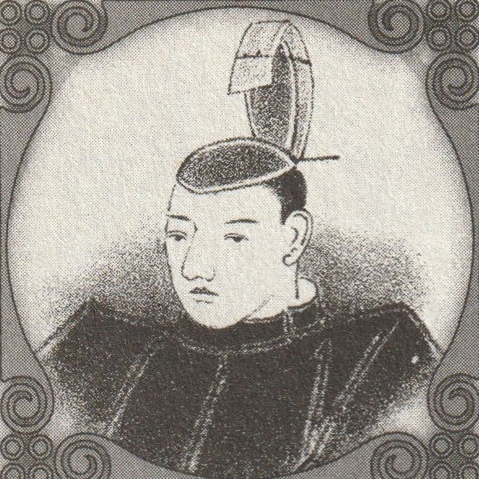
Kagato, a part of Bizen City located close to Imbe, is said to have been reclaimed and cultivated on the orders of Emperor Horikawa.
Horikawa was an emperor of the late Heian period, reigning from 1086 to 1107. Although he is not among Japan’s best-known sovereigns, he is remembered as a highly cultivated figure with a deep knowledge of waka poetry. His attentive rule also makes him something of an overlooked wise ruler.
At the time, the Kagato area is said to have suffered from both drought and flooding. Japan has always been famous for earthquakes, but floods were once an equally familiar threat.
Rivers brought abundance while also troubling the lives of those who lived beside them. Modern Japan possesses remarkably developed infrastructure, but it is worth remembering that this achievement rests on the accumulated wisdom and labor of generations past.